Hanna Lighthall spends 8 weeks in Malawi assisting with research projects.

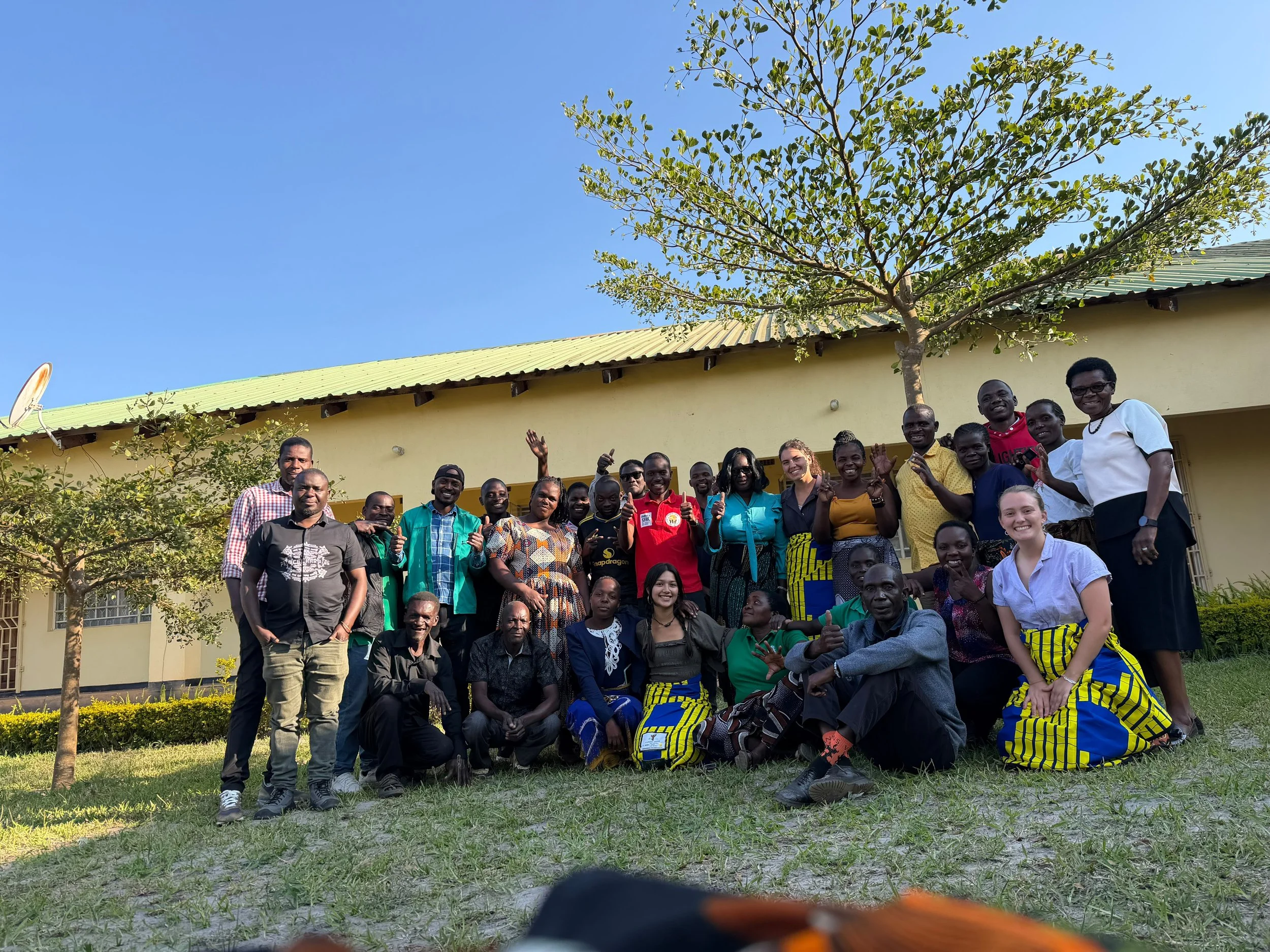
Hanna Lighthall, alongside another Cornell undergraduate student Sienna Montalvo, has spent 8 weeks in Malawi this summer with SFHC. She has helped with data collection for the AGILE for Climate project, supported SFHC with their website and participated in many other organizational activities. This internship was part of the CALS Global Fellows program. Great work Hanna!

The SFHC team with Sienna, Cristina and Hanna, July 17 2026

Webinar on Alternative Grain Networks in New York and Scotland

Rachel Bezner Kerr and Emma Davis held a webinar on June 23, 2026 to share their preliminary research results on alternative grain networks in New York and Scotland. The webinar included their collaborators Dr. Alexa Bellows and Annie Gregoire from the University of Edinburgh. They are now working on several publications coming out of this research study, which was funded by Global Cornell.

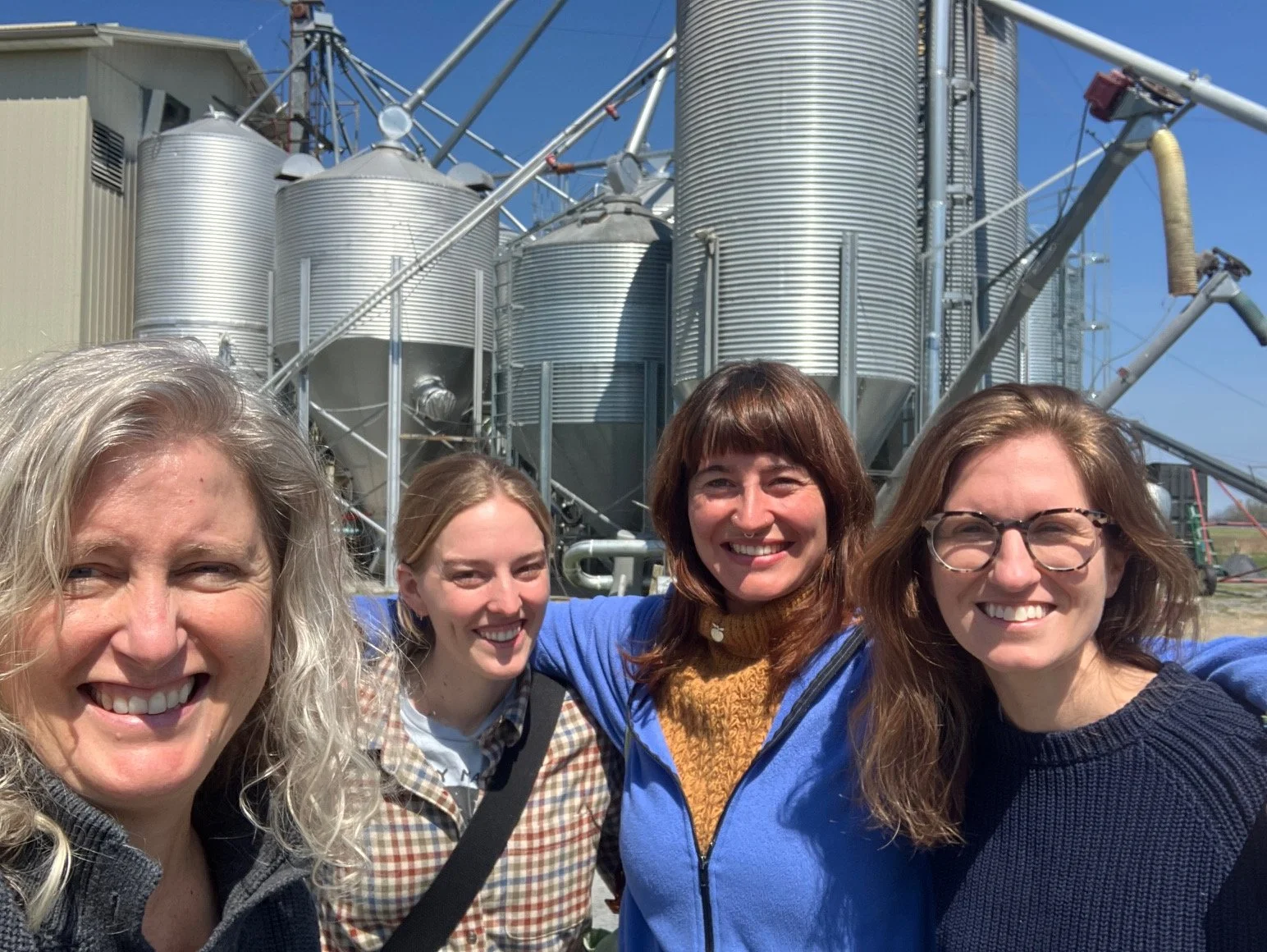
Rachel Bezner Kerr, Emma Davis, Annie Gregoire and Alexa Bellows in front of Farmer Ground Mill near Trumansburg, New York, April 2026.

New paper on potential of agroecology to address urban nutrition

A new paper, “How Could Agroecological Markets Support Healthier Diets in Urban and Periurban Areas for Low-Income Women? A Case Study of Dakar, Senegal” led by Dr. Bezner Kerr with co-authors from Senegal and France. This paper, published in the scientific journal Current Developments in Nutrition, comes out of a year-long research study by Rachel and colleagues, funded by the European Union’s Nutrition Research Facility. It is an open-access paper, available for free download here: https://doi.org/10.1016/j.cdnut.2026.107719

Not as hard as it seems? New paper about labor issues in agroecological Fruit & Vegetable systems in the United States

A new paper has been published about labor issues in agroecological systems in the United States, by former lab member Jeffrey Liebert along with Rachel Bezner Kerr and several other co-authors. The research involved a survey with 599 fruit and vegetable farmers across the United States, and 49 interviews with farmers in New York and California. We found that labor barriers were one of the most common reasons farmers gave for not using an agroecological practice. Importantly, farmers who did not use an agroecological practice considered labor to be a bigger issue than those farmers who had experience with that agroecological practice. Large scale farmers had greater labor shortages than small and medium farmers, and labor policy changes worsened farmers’ labor difficulties. The paper is available here and the full citation is: Liebert, J., Bezner Kerr, R., Gennet, S. et al. Not as hard as it seems? Labor challenges and opportunities for agroecological practices in the United States. Agriculture and Human Values (2025). https://doi-org/10.1007/s10460-025-10796-z

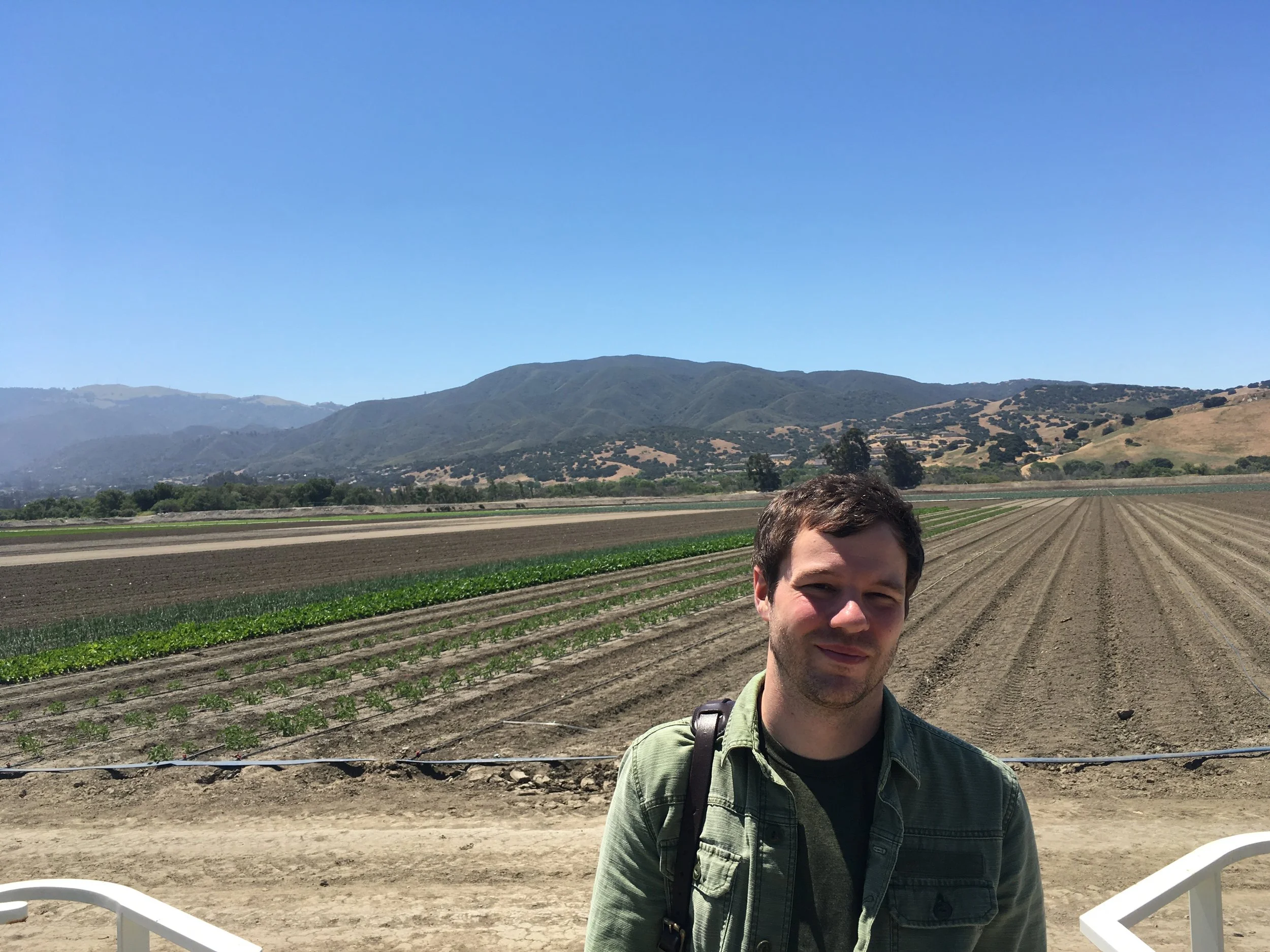
Jeff Liebert in front of a vegetable farm in California, June 2017.

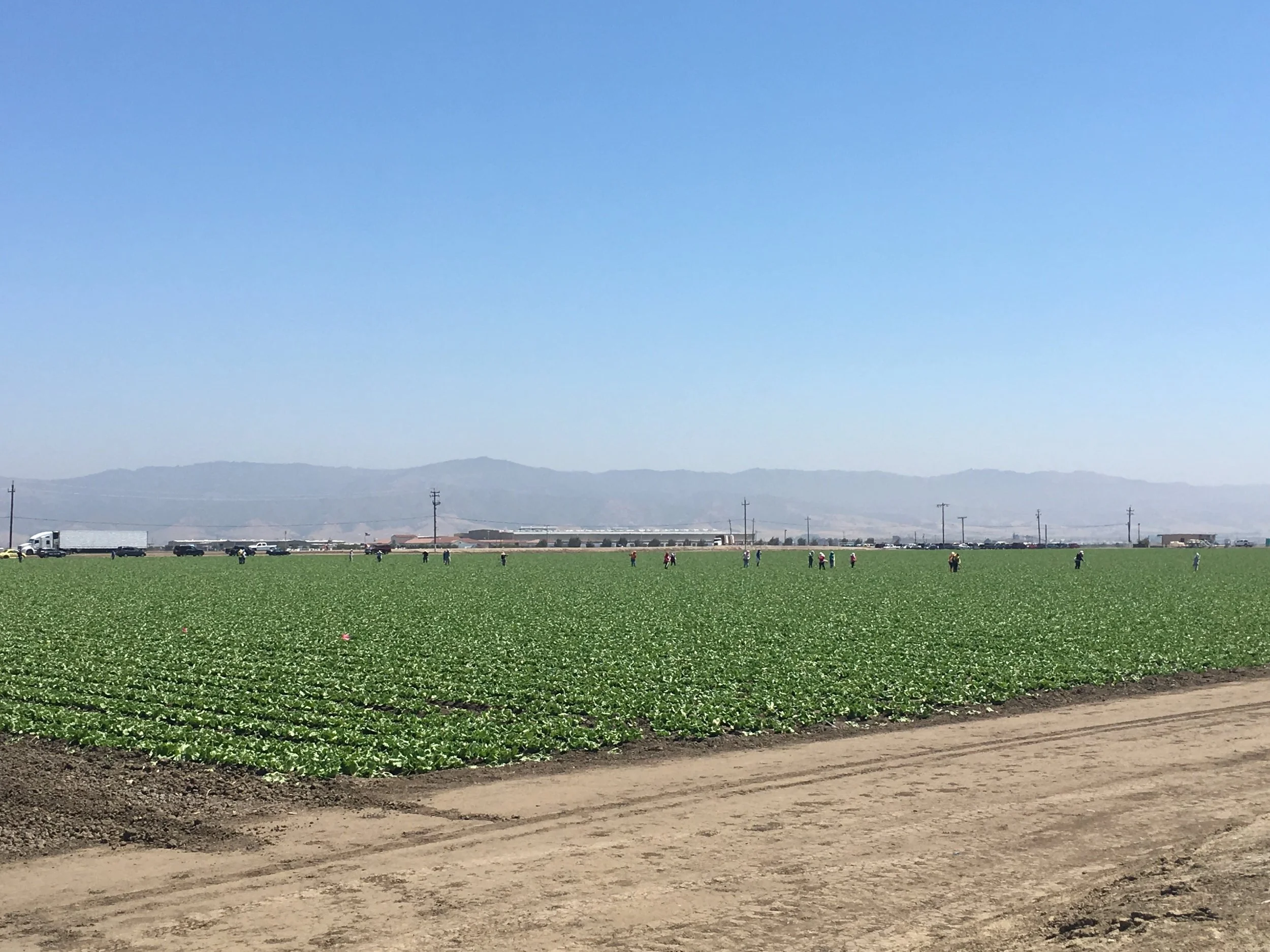
A large-scale vegetable farm in California. Large-scale farms cited labor to be a more significant barrier to the use of agroecological practices than small or mid-sized fruit and vegetable farms.